The parasitic infection schistosomiasis affects an estimated 200 million people globally, many of them children. But campaigns to identify and treat it face formidable hurdles.
In the quiet town of Gwagwalada, just west of Abuja, Nigeria’s capital, children flock to the river that runs alongside their community. For them, the river is more than just water — it is an escape from the stifling heat, a place to swim and play with friends. Yet beneath its surface lurks a dangerous threat: schistosomiasis, also known as bilharzia, a parasitic disease spread by tiny worms carried in freshwater snails.
Despite parents’ warnings, children continue to swim in the infected waters. The result is a recurring cycle of illness that leaves families battling symptoms such as blood in the urine, stomach pain, and fever. In November, during a school visit in Gwagwalada, aid workers discovered dozens of students with visible signs of schistosomiasis.
Schistosomiasis: A Neglected Tropical Disease
Schistosomiasis is one of the most significant parasitic infections in Africa, second only to malaria in scale and impact. Globally, it is believed to affect over 200 million people, with children in sub-Saharan Africa being among the most vulnerable. Despite its severity, the disease is classified as a neglected tropical disease (NTD) — meaning it attracts little funding, research, or global health attention compared to malaria, tuberculosis, or HIV/AIDS.
The World Health Organization (WHO) has long recommended mass drug administration (MDA) programs in areas where at least 20% of the population is infected. Gwagwalada more than qualifies.
“They cannot really avoid contact and reinfection,” explained Amadou Garba Djirmay, who oversees the schistosomiasis program at the WHO. “The main strategy is this treatment to really cure the majority of them.”
Mass Drug Administration With Praziquantel
During the school visit, all children — whether symptomatic or not — were given doses of praziquantel, the frontline drug for schistosomiasis. The medication, distributed in tablet form, is highly effective in killing the worms. Dosage is determined by height, with children receiving between one and five tablets.
While praziquantel treatment has reduced infection rates in some Nigerian communities, challenges remain. The drug is not always available, and it has side effects, such as nausea or gagging from its bitter taste. To minimize discomfort, it should be swallowed whole after a meal. However, in communities where poverty and food insecurity are common, children often take the medication on empty stomachs.
In 2014, before mass treatment campaigns expanded, Gwagwalada had a staggering 52% prevalence rate of schistosomiasis. By 2024, it had fallen to about 39%, though other regions in Nigeria saw rising cases due to lack of access and reinfection from contaminated water sources.
The Cycle of Reinfection in Gwagwalada
The river in Gwagwalada remains central to the spread of bilharzia. Tiny freshwater snails release fork-tailed larvae of the schistosome worm into the water. When children bathe, swim, or fetch water, the larvae penetrate their skin. From there, the parasites travel through the bloodstream to the intestines or bladder, where they mature into adult worms.
Adult worms can live for years, producing thousands of eggs that lodge in body tissues. This can lead to chronic symptoms such as:
- Blood in urine or stool
- Abdominal pain
- Fatigue and fever
- Stunted growth and anemia in children
- Infertility, bladder cancer, and liver damage if untreated
In rare cases, the eggs migrate to the eyes, leading to vision problems.
Mohammed’s Story: Living With Schistosomiasis
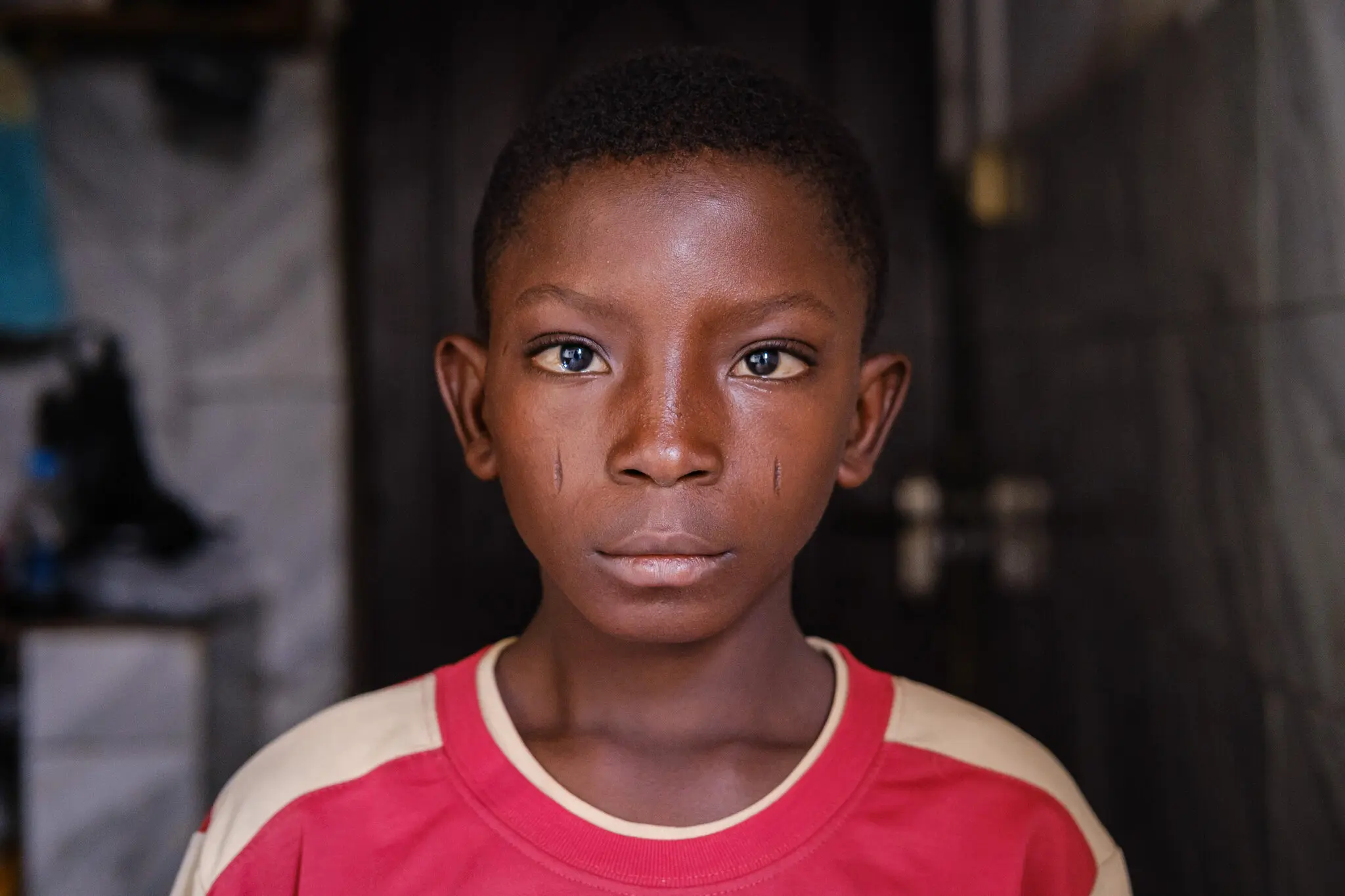
During one school screening, aid worker Rinpan Ishaya from the nonprofit group HANDS noticed the pale, bulging eyes of 11-year-old Mohammed Aliyu. Mohammed, a quiet student, admitted that his eyes often felt itchy and that he sometimes sensed movement behind them.
He had already battled schistosomiasis once before. For nearly three years, he endured painful urination, blood in his stool, and severe eye irritation before his mother, Amina Aliyu, realized something was seriously wrong.
“I was very surprised,” she said, recalling her shock that the disease had returned even though the family now lived in a modern home with clean water access. Mohammed’s case highlights the persistence of schistosomiasis even among families who believe they have escaped the environmental risks.
Worm Burdens Beyond Schistosomiasis
Children in Nigeria are exposed to multiple parasitic infections. Alongside schistosomiasis, they face:
- River blindness (onchocerciasis), caused by roundworms carried by flies.
- Lymphatic filariasis, which can cause severe limb swelling from mosquito-borne worms.
- Soil-transmitted helminths, contracted from contaminated soil, leading to anemia, weight loss, and malnutrition.
Because many children harbor more than one type of worm, schistosomiasis treatment is often combined with mebendazole, a drug used against intestinal worms. This dual therapy addresses the overlapping burden of helminths among school-age children.
Barriers to Treatment and Global Funding Cuts
While community programs in Nigeria have made progress, barriers remain:
- Limited drug supply – Praziquantel is not always available in sufficient quantities.
- Side effects and stigma – The bitter taste and temporary nausea deter some families.
- Lack of awareness – Local doctors sometimes misdiagnose symptoms, delaying treatment.
- Behavioral habits – Children and adults continue using rivers for bathing, laundry, and water supply, sustaining reinfection cycles.
Funding is another major obstacle. The Trump administration’s 2026 budget proposal eliminates U.S. support for neglected tropical diseases and slashes global health funding. Organizations like the End Fund, which supports schistosomiasis programs in Nigeria, warn of reduced resources for MDA campaigns in coming years.
“We know the same health systems that we support are stretched much further now, and we are likely to see a bigger impact on programs in 2026,” said Sam Macintosh, a vice president for the End Fund.
Changing Behavior: The Hardest Challenge
Perhaps the greatest difficulty is convincing communities to change long-standing behaviors. Baseera Salinhu, a young girl from Gwagwalada, has battled repeated schistosomiasis infections over the last six years. Despite being treated at her community health center, she continues to swim in the river with her friends.
Her mother, Halimatu Salihu, recognized the symptoms during a relapse but often lacked the money or time to take her daughter to the clinic. When schools distributed praziquantel, she eagerly signed the consent form. Impressed by the results, she even sought preventive doses for herself. Yet Baseera, like many children, soon returned to the contaminated river.
“She doesn’t listen,” her mother admitted with frustration.
Without clean water infrastructure, sanitation improvements, and education, mass drug distribution will remain only a partial solution.
Looking Ahead: The Future of Schistosomiasis Control
The fight against schistosomiasis in Nigeria is a long one. While mass drug administration has reduced prevalence in communities like Gwagwalada, reinfection remains widespread. Sustainable progress will require:
- Regular drug distribution through schools and clinics.
- Access to clean water and sanitation systems to reduce exposure.
- Education campaigns to change risky behaviors.
- Consistent funding from governments and international donors.
For the children of Gwagwalada, the river remains both a lifeline and a danger. Until systemic changes address the roots of infection, aid workers will continue to return each year with supplies of praziquantel, hoping to reduce the suffering caused by one of the world’s most persistent neglected tropical diseases.